You know your destination and your dates, but one big question keeps coming back: should you book a lodge, a hotel or a resort? The lodge vs hotel vs resort decision shapes almost everything about your trip, from what your days look like to how much you end up spending. Pick the wrong stay type and even a great destination can feel off.
The good news is that the choice gets much easier once you know what each property type is built for. In this guide, we break down what defines a lodge, a hotel and a resort, then match each one to different trip purposes. We also compare real costs, look at where each stay type shines in terms of location, cover seasonality and booking lead times, and compare the atmosphere and guest experience you can expect. By the end, you will know exactly which stay type suits your next trip.
What Defines a Lodge, a Hotel and a Resort
The three stay types look similar on a booking site, but they are designed around completely different ideas. Understanding that core purpose is the fastest way to narrow down your options.
The lodge: nature first
A lodge is a small, nature-focused property, often hosting just 10 to 40 guests. The setting is the main attraction, and guided activities like game drives, bush walks or birding excursions are the core of the stay rather than an optional extra. Meals are usually shared and schedules follow the rhythm of the wildlife and the light, with early starts for the best viewing hours.
The hotel and the resort
A hotel is an urban or transit property built around location and convenience. You book it because it puts you near a conference center, a train station or the sights you came to see, with rooms typically priced from $80 to $300 per night depending on the city and season. The room itself is a base, not the experience.
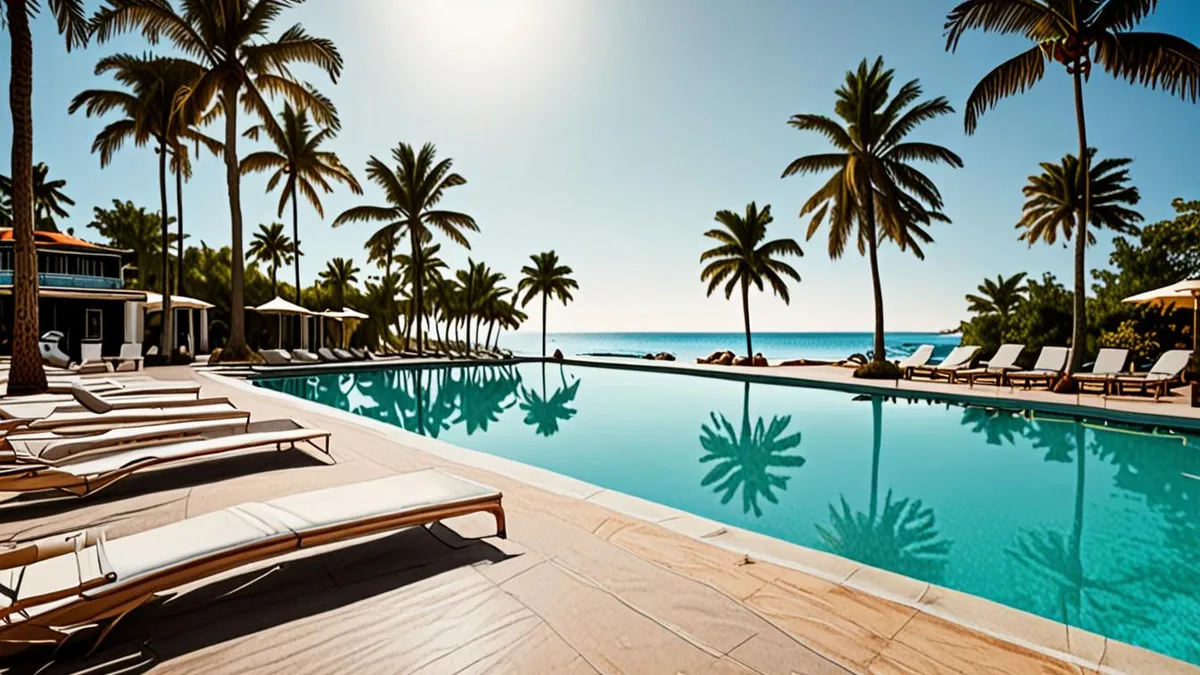
A resort, by contrast, bundles accommodation, dining, pools and activities together on one site. The idea is that you never really need to leave. All-inclusive rates commonly run from $200 to $600 per night for two guests, covering your meals, drinks and much of the on-site entertainment in one upfront price.
Lodge vs Hotel vs Resort: Matching Stay Type to Trip Purpose
The stay type you choose should follow from what you actually want to do each day, not from a photo gallery or a discount email. If your trip revolves around a destination’s surroundings, a lodge makes sense. If you are using the room as a launchpad, book a hotel. If the property itself is the destination, a resort is the natural fit. Getting this one decision right shapes everything else, from your daily schedule to how much of your budget ends up spent on things you never wanted.
Think honestly about how many hours you plan to spend inside your room and on the property. Wildlife travelers on safari spend dawn to dusk on guided excursions, so a lavish room they see only at night is money wasted. Beach honeymooners may barely leave their resort grounds, which justifies paying more for the property itself. City travelers often fall somewhere in between, out exploring all day and returning only to sleep, which is why a simple, well-located room often beats a flashy one.
Also consider how much structure you want. Lodges run on fixed schedules built around game drives and meal times, while hotels and resorts let you set your own pace.
- Choose a lodge if spotting wildlife from an open vehicle at sunrise sounds like your idea of a perfect morning, and you are happy with early wake-up calls and set meal times.
- Choose a hotel if you are attending a conference, catching an early flight, or planning a city break where you will walk to museums, restaurants and neighborhoods on your own schedule.
- Choose a resort if you want a beach holiday, honeymoon or family trip where the kids’ club, pool and swim-up bar keep everyone happy without a single taxi ride.
Budget Breakdown: What Each Stay Type Really Costs
Comparing nightly rates across stay types is misleading, because each one bundles a different amount into its price. The trick is to estimate what your total daily spend would actually be, including meals, drinks, transfers and activities.
What lodges really cost
Lodge stays typically range from $250 to $1,500 per night, with luxury safari lodges exceeding $2,000. That can look shocking next to a hotel rate, but lodge prices usually include all meals, guided game drives and often drinks and park logistics. When you add up what three guided excursions, three meals and two game drives would cost if booked separately, the lodge rate often represents strong total value.
Hotels and resorts compared
City hotels are usually the cheapest option per night, which makes them look like the budget winner at first glance. Keep in mind, though, that restaurant dinners, airport transfers, laundry and any tours all land on top of that room rate. Over a week, those extras add up quickly, and a bare room rate can end up costing far more than it appeared.
All-inclusive resorts average $200 to $600 per night for two guests, covering meals, drinks and most on-site activities. If you plan to eat and drink on site every day anyway, that rate can beat the combined total of a cheaper hotel plus daily dining out. If you prefer eating in local restaurants, you would be paying twice.
Location and Setting: Where Each Stay Type Shines
Location is often the deciding factor, because each stay type is built around a different setting. A lodge puts you where the wildlife or wilderness is, a hotel puts you where the action is, and a resort puts you on a stretch of private paradise. Understanding that trade-off makes choosing much easier.
Lodges: deep in the landscape
Lodges sit inside or right beside national parks, conservancies and other remote landscapes. That proximity is the whole point: you can reach game viewing areas at dawn, hear hippos at night and watch elephants wander past the deck. The price of this immersion is distance. Many lodges are typically 1 to 3 hours from the nearest airport, often reached by small charter flights and a game-drive transfer, so build travel time into your itinerary.
Hotels: in the heart of it all
Hotels cluster in city centers and around transport hubs, which is exactly why they exist. From a well-placed hotel you can walk to museums, restaurants and business districts, or hop on a train or metro in minutes. If your trip is about sightseeing, meetings or a short stopover, being steps from what you came for beats any pool or view.
Resorts occupy beachfronts and islands, trading easy access to towns for private grounds, direct sea access and space to spread out. You will usually need a transfer to reach local restaurants or shops, so check what surrounds the property before booking. If you plan to stay on site, that isolation becomes a feature rather than a flaw.
Seasonality and Booking Lead Times
Timing matters more for some stay types than others, and getting it wrong can mean paying far more or missing out entirely. Lodges are the least flexible: they have limited rooms, and demand spikes hard when wildlife viewing is at its best. Hotels are the opposite, with plenty of inventory and rates that move with the city’s event calendar.
Safari lodges should be reserved 6 to 12 months ahead for the June to October dry season, when animals gather at water sources and viewing peaks. If you have your heart set on a specific camp, consider reading up on the experience first, like this safari stay at Sanctuary Chief’s Camp, to see whether the style of lodge matches your expectations before committing that far in advance.
Caribbean and tropical resorts follow a different rhythm. The dry season runs from December to April, and the best-value rooms in popular properties go first, so booking 3 to 6 months out is a sensible target. City hotels are the most flexible category: 1 to 3 months ahead usually secures good rates, as long as you avoid major events.
- Shoulder-season lodge stays, just before or after the dry season, can offer lower rates with still-decent wildlife viewing, though rain is more likely.
- Booking a resort well outside the December to April dry window often means lower prices, but expect afternoon showers and rougher seas on some days.
- For city hotels, check the local events calendar before booking: a conference or festival week can push rates well above normal even months out.
- If a lodge is fully booked for your dates, ask about waitlists, as cancellations are common once travelers finalize flights.
Atmosphere and Guest Experience Compared
The feel of a property shapes your trip as much as its location or price. Two stays can cost the same and sit in similar settings, yet feel completely different depending on how they host their guests. Here is how the three types compare day to day.
Lodges: small and sociable
Lodges offer intimate, shared experiences. With typically 10 to 40 guests on the property, you will likely share communal dinners, swap wildlife stories around a fire and head out on guided walks with a handful of fellow travelers. Many guests arrive as strangers and leave with new friends. If you enjoy conversation and guided structure, this atmosphere is a major part of the appeal.
Hotels and resorts: two very different vibes
Hotels are anonymous and self-directed by design. Nobody tracks your schedule, and you can come and go without a word to anyone. That suits travelers who value privacy and independence, especially on city breaks where the room is just a place to sleep.
Resorts deliver structured entertainment: kids’ clubs, multiple restaurants, pools, activities and evening shows. Large resorts can exceed 500 rooms, so there is always something happening and someone in your group will find something to enjoy. That makes resorts ideal for families and groups with mixed interests, though travelers seeking quiet may find the scale and bustle tiring. Match the atmosphere to your travel style and the rest of the decision usually falls into place.
The Bottom Line for Your Next Booking
The choice usually comes down to one honest question: how much of your trip do you want to spend at the property itself? If the destination is the point—wildlife, wilderness, guided days out—a lodge matches that trip. If you mainly need a well-located base for a city break or a short stopover, a hotel does the job without extra cost. If the plan is to eat, swim and relax in one place for a week, a resort delivers that all-in-one holiday.
Weigh the nightly rate against what it includes, the setting you actually want, the season you are traveling in, and how many hours you will realistically be on site. Get those four things lined up and the right stay type picks itself. If this helped you decide, leave a comment or share the article with a travel friend.