Planning your first safari is exciting until you start comparing lodges. Then the questions pile up: tented camp or permanent lodge, $400 a night or $1,500, Masai Mara or Kruger? The price gaps are enormous, the park choices are confusing, and because most travelers only take one big safari in their lives, the fear of booking the wrong camp is very real. Learning how to choose a safari lodge before you commit can save you thousands of dollars and a lot of regret.
This guide walks you through the decision in a sensible order, starting with your travel dates and ending with how to vet a camp before paying a deposit. We will cover when to go, which region fits your goals, what different budgets actually buy, how to judge location and game viewing, the logistics of flights and luggage, and the right booking timeline. Follow the steps in order and the choice becomes far less overwhelming.
Decide When to Go Before You Choose a Safari Lodge
Your travel dates matter more than any lodge review, because the season you pick shapes both the price and the experience. In East Africa, peak season runs from June to October, when the bush is dry and thin, animals gather at water sources, and game viewing is at its easiest. The trade-off is straightforward: this is when rates are highest and the best camps book out first, sometimes nearly a year in advance in the most sought-after regions.
The green season, roughly November to March, tells a different story. Prices typically drop 30-50%, the landscape turns lush, newborn animals appear everywhere, and photographers love the dramatic skies between rains. The downside is thicker vegetation, which makes spotting wildlife harder and can mean longer drives between sightings.
If the Great Migration is your priority
Travelers dreaming of the Great Migration should aim for the river crossings, which typically occur between July and September, when enormous herds brave crocodile-filled rivers. This spectacle falls squarely in peak season, so expect peak prices and book early. Before you fall in love with any specific camp, match your travel window to your budget. Dates dictate both what you will pay and which lodges still have space, so lock your window first and only then start comparing camps.
Pick Your Safari Region and Park
Once your dates are set, choose the region that matches your wildlife goals and travel style. For most first-timers, the classic savanna experience wins: Kenya’s Masai Mara and Tanzania’s Serengeti deliver sweeping grasslands, big cats, and the iconic safari scenery you have pictured since childhood. These parks have well-established tourism infrastructure, plenty of camp options across price levels, and guides who are skilled at finding predators.
Botswana’s Okavango Delta offers something different. Game viewing often happens on the water, by mokoro or boat as well as by vehicle, and visitor density is kept deliberately low through a high-cost, low-volume approach. That exclusivity comes at a premium, but many travelers consider the delta the most remote and rewarding safari they have ever done. South Africa’s Kruger area, by contrast, is the practical choice: self-drive roads give you flexibility, malaria risk is lower than in more tropical safari regions, and logistics are easier for shorter trips or first-time visitors nervous about remote travel.
- Flight connections: check how many hops it takes to reach your camp. Some Okavango Delta camps require two light-aircraft flights from the international gateway, which adds both cost and travel time to your arrival day.
- Transfer times: a lodge that looks close on a map can involve a long road transfer on rough tracks, so ask how many hours door-to-door before you book.
- Cross-border itineraries: combining Kenya and Tanzania, or South Africa and Botswana, is possible but adds visa, border and flight logistics that first-timers often underestimate.
Match Lodge Style and Budget
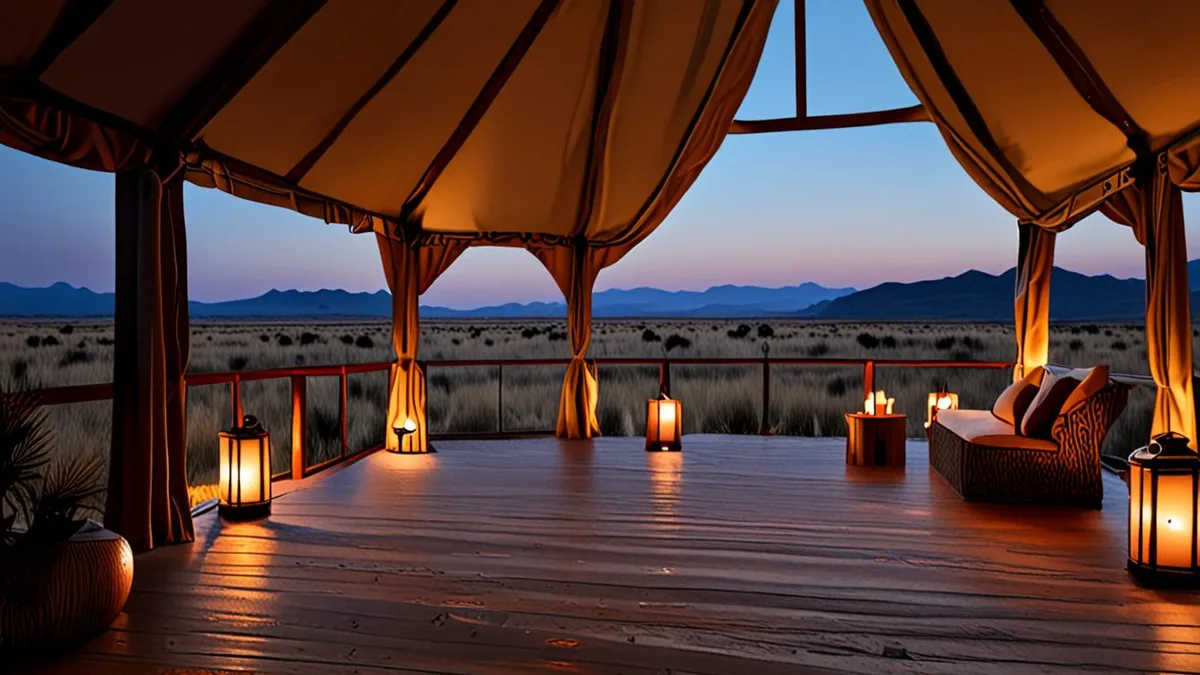
Safari accommodation is not one thing. Tented camps span everything from simple canvas rooms with shared bathrooms to luxury suites with plunge pools, outdoor showers and butler service. Before comparing prices, decide honestly how much roughing you want. Some travelers are thrilled with a basic tent and a bucket shower; others need a proper bed, reliable hot water and Wi-Fi to enjoy the trip at all.
What your budget buys
As a rough guide, entry-level safari lodges start around $300-500 per person per night, mid-range camps run $500-1,000, and top lodges often exceed $1,000-1,500. For a sense of what the upper end looks like, read about a luxury stay at Sanctuary Chief’s Camp, where the setting and service justify the premium. At these rates, what is included matters enormously: many safari rates bundle accommodation, all meals, drinks and two daily game drives, while others charge separately for activities, drinks or park fees. A cheaper nightly rate can end up costing more once extras are added.
Camp size also shapes the experience. Smaller camps with under 20 beds feel exclusive and personal, but they sell out fastest, especially in high season. Larger lodges offer more amenities, such as spas and swimming pools, plus more flexible pricing and last-minute availability. Weigh intimacy against convenience based on how you like to travel.
Evaluate Game Viewing and Location Details
Where your lodge sits matters almost as much as the lodge itself. A camp inside the reserve or a private conservancy lets you head out at first light, when predators are still active, while town-based options can lose an hour or more queuing at the park gate each morning. That early start often makes the difference between a good safari and a great one.
Ask whether the camp has access to a private conservancy. These areas typically allow off-road driving so guides can follow a leopard into thicker cover, and night drives, which public parks restrict. Both open up sightings you simply cannot get on main park roads. Camps like Mombo Camp in Botswana built their reputation on this kind of prime location, sitting on productive ground where wildlife comes to you.
Water is the other big factor. A riverside or waterhole setting means elephants, antelope and predators pass through camp during the day, so the viewing continues between drives. Check a camp’s position relative to known migration routes if you are traveling when herds move through the area.
Finally, match the terrain to your wildlife goals. Some areas are known for cheetah on open plains, others for tracking rhino in hills or bush. Ask the lodge or operator what sightings are typical there rather than relying on brochure photos.
- Ask how many vehicles can gather at a sighting; some parks cap it at a handful, while crowded sightings can spoil a leopard encounter.
- Find out whether night drives use spotlights and how long they run, since these reveal nocturnal species like bushbabies, genets and hunting lions.
- Check if walking safaris are offered from the camp, as a guided walk adds a completely different perspective on tracks, plants and smaller creatures.
- Ask about the camp’s own hide or waterhole viewing spot, which some lodges maintain for close photography without leaving camp.
Understand Logistics: Flights, Transfers and Luggage
Getting to a remote safari camp is rarely as simple as a taxi ride from the airport. Most camps deep in reserves or deltas are reached by light aircraft, and these small planes enforce strict weight limits, typically around 15 kg per person in soft-sided bags. Hard-shell suitcases can literally be refused at the airstrip, so pack in a duffel and leave the wheeled luggage at your international gateway hotel.
Costs add up quickly when you move between camps. If your itinerary includes two or three lodges, each light-aircraft hop can add several hundred dollars per leg, so factor transfers into your total budget from the start rather than treating them as an afterthought. Some delta camps even require two light-aircraft hops from the international gateway, which means more time and more cost.
Game Drive Schedules
Standard safari camps run two drives daily: an early morning drive of 3-4 hours, usually departing before breakfast or with a coffee stop, and a late afternoon drive of 3-4 hours that often continues briefly after dark. Confirm the schedule when booking, especially if you have specific photography plans tied to light conditions.
Health and Family Considerations
Check whether your destination sits in a malaria zone and talk to a travel clinic well before departure about appropriate precautions. If you are traveling with children, ask the camp directly about age minimums; many small camps restrict young kids from game drives or walking activities, while some family-oriented lodges offer dedicated children’s programs. A camp that is perfect for honeymooners may be a poor fit for a family with a six-year-old, so match the property to your group.
Book at the Right Time and Vet the Lodge
Once you have chosen your dates, region and camp style, booking well is what turns a plan into a confirmed safari. Good lodges in popular areas fill early, and the best guides and vehicles are often allocated to the first bookings rather than the last. That means the difference between a mediocre and a memorable safari can come down to when you reserve, not just where. Work through the steps below before you pay any deposit, and keep a written record of every confirmation you receive.
- Reserve peak-season camps 9-12 months in advance, especially in high-demand regions where top camps are often booked out a year ahead. Green-season trips are more forgiving, and 3-6 months out is usually enough.
- Read recent guest reviews with a critical eye, focusing on comments about guiding quality, food and service rather than glossy photos. A beautiful deck means little if the guides are inexperienced or the kitchen disappoints.
- Ask directly about guide qualifications and vehicle style. Open 4x4s with tiered seating give every guest a clear sightline for photography, while closed vans can leave you shooting through windows.
- Confirm the cancellation and deposit policy in writing before paying. High-season rates are often non-refundable, so check what happens if illness or a canceled flight forces you to change plans, and consider travel insurance.
A short phone call or email exchange with the lodge or your operator will answer most of these questions quickly. Ask how many guests each vehicle carries, whether drives are shared or private, and what happens if a camp overbooks. Lodges that respond clearly and promptly before you book usually deliver the same standard once you arrive, so treat that first contact as part of your vetting process. If replies are slow or vague now, they are unlikely to improve once your money has changed hands.
Your Safari Lodge Choice, Wrapped Up
Choosing a safari lodge stops feeling overwhelming once you break it into steps: lock your dates first, then pick your region, then match a camp style to your budget. Give peak-season trips in places like the Masai Mara or Okavango Delta about a year of lead time, while the green season rewards flexible travelers with lower rates and easier availability.
The details that separate a great lodge from an average one are simple to check: a location inside the reserve, game drives included in the rate, and logistics that work with light-aircraft luggage limits. Get those right, read recent reviews with a critical eye, and your one big trip is far more likely to deliver. Planning a first safari or already been? Share your questions or tips in the comments below.