Planning a luxury camping trip sounds simple until you have to pick the actual structure. Most travelers comparing a glamping tent quickly run into the same question: should you book a safari tent, a geodesic dome, or a yurt? Each one looks stunning in photos, but they behave very differently depending on your destination, the season, and how much space or privacy you want.
This guide breaks down how each option performs in different climates, what you can expect in size and nightly rates, and which trip styles each structure suits best. You will also find practical booking tips, including how far ahead to reserve for peak dates. By the end, you should know exactly which type of glamping tent fits your next trip, whether that is a dry-season safari, a snowy mountain escape, or a budget-friendly shoulder-season getaway.
Why Your Glamping Tent Choice Depends on Climate and Season
The single biggest mistake travelers make when booking a glamping trip is choosing the tent type first and the season second. Canvas, fabric, and insulation all behave differently in rain, wind, and snow, so the structure that feels magical in one month can be miserable in another.
Canvas loves dry weather
Safari tents are classic canvas structures, and canvas needs dry conditions to stay comfortable. They suit dry seasons best, typically May to October in East Africa, when the air is warm and rain is rare. During heavy rains, many safari camps close entirely because the terrain and the tents themselves simply cannot handle months of wet weather.
Rigid structures handle the cold
Geodesic domes are a different story. Their rigid panels and insulation are built to handle snow loads, which makes them reliable from November to March in cold destinations. Yurts sit somewhere in between: their felt or insulated covers excel in shoulder seasons, roughly April to May and September to October, when nights are chilly but conditions are stable.
Before booking off-season dates, always ask the operator whether the structure stays up year-round. Some camps are seasonal, and a tent that is technically bookable may still offer a very different experience outside its ideal window.
Safari Tents: Space and Classic Lodge Feel
The safari tent is the original glamping structure, and it still sets the standard for space. Most safari tents offer 40-60 square meters, usually split into a separate sleeping area, a lounge corner, and sometimes a private bathroom. They sit on raised wooden decks, which keeps you off the damp ground and gives you a proper porch for morning coffee or an evening drink.
Where safari tents shine
These tents are best for warm, dry destinations like savannas and jungle clearings, where airflow matters more than insulation. Roll up the canvas panels and the whole tent becomes a breezy screen room, letting you hear birds and distant wildlife while you fall asleep. That connection to the outdoors is exactly what draws travelers to safari camps in the first place.
Nightly rates usually run $150-$800 depending on how remote the camp is and the level of service. A tent close to a national park gate with shared facilities sits at the lower end, while fully staffed camps with private guides and gourmet meals sit at the top.
The downsides to weigh
Canvas needs regular maintenance, so quality varies between operators. Sound carries through the fabric more than through solid walls, meaning less privacy from noise. And without good ventilation, a safari tent can feel hot in the middle of the day, so ask about shade orientation and airflow before booking.
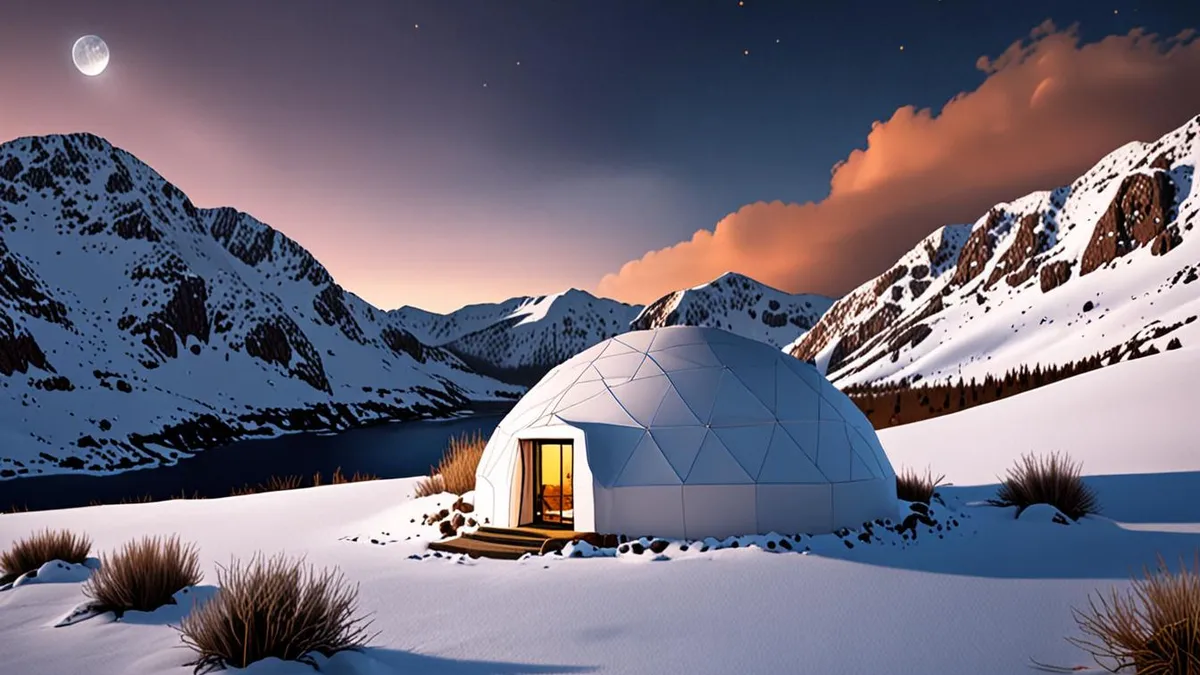
Geodesic Domes: Panoramic Views and All-Weather Comfort
Geodesic domes have become the poster child of winter glamping, and for good reason. A typical dome gives you 20-40 square meters of curved interior space, often fitted with large transparent panels that frame the mountains by day and the stars by night. Falling asleep while watching the sky from bed is the main reason travelers choose this structure.
Comfort in any season
Unlike canvas, a dome is a rigid structure that withstands wind and snow. That means domes operate year-round, including the winter months, when most safari tents are packed away. In cold destinations from November to March, a dome with proper insulation and heating is often the only comfortable way to sleep under the stars.
Rates typically run $120-$600 per night, and in comparable locations domes are often cheaper than safari tents. That makes them an appealing middle ground: solid construction and dramatic views without the highest price tag.
What to consider before booking
Those beautiful windows come with a trade-off: less privacy, since neighbors or trails may have a sightline into your dome. Check whether curtains or blinds are provided. In humid climates, condensation management matters too, so look for domes with good ventilation systems or ask recent guests how the tent handled damp weather.
Yurts: Circular Comfort on a Budget
Yurts have come a long way from the traditional dwellings of Central Asian herders, but they keep the qualities that made the original design so practical: a circular frame, lattice walls and a central skylight that floods the space with natural light. Most modern glamping yurts offer between 25 and 50 square meters, which is enough for a proper bed, a small seating area and storage without feeling cramped.
The biggest argument for a yurt is the price. Nightly rates typically run from about $90 to $400, making it the most affordable of the three main glamping styles. That difference adds up over a week-long stay and can cover flights, activities or a few good dinners.
Comfort in wind and mild off-peak months
The round shape is not just charming, it is functional. Wind flows around a yurt instead of pushing against flat canvas walls, which makes it a smart choice for exposed steppe or mountain meadows. Insulated felt or fabric covers hold warmth well in the milder months between the high and low seasons, when nights are cool but camps are quieter and rates often dip.
There are trade-offs to weigh. Yurts usually come with fewer luxury fittings than safari tents, so expect simpler bathrooms and a more rustic finish. Headroom is also limited near the curved edges, which matters if you are tall or moving around with a baby in your arms. For travelers who value coziness and value over frills, though, a yurt is hard to beat.
How to Match a Glamping Tent to Your Trip Style
The best glamping tent is less about trends and more about what you actually want from your trip. A honeymooning couple stargazing in the mountains needs something very different from a family of four heading out on safari, and the three main structures each have a natural home.
Start with your trip style. If your days revolve around game drives and wildlife, a safari tent gives you the space to spread out between outings, with a wide deck for reading and often an outdoor shower under the stars. If romance is the goal, a geodesic dome with transparent panels lets you watch the night sky from bed, which is a genuine thrill in northern destinations during the darker months. Families and budget travelers tend to get the most from a yurt, where the lower nightly rate frees up money for rafting, horseback riding or guided hikes.
Landscape matters too. Some structures simply suit certain terrain better than others, and matching them makes the whole experience feel more natural.
- Mountains: Domes shed wind and snow well and sit securely on slopes and exposed ridgelines where flat canvas would strain.
- Open plains: Safari tents on raised decks blend into savanna and jungle clearings, and the elevation keeps you above insects and damp ground.
- Meadows and steppes: Yurts handle windy, treeless landscapes and echo the nomadic heritage of these regions.
Get this match right and the tent stops being just accommodation and becomes part of the trip itself.
Booking Tips: When and How Far Ahead to Reserve
Glamping inventory is small by nature. A single camp might have a handful of units rather than dozens of rooms, so the best tents and the best dates disappear early, especially at small, owner-run properties where a couple of bookings can fill the calendar for an entire holiday week. Unlike large resorts, most glamping operators cannot simply add another wing when demand spikes, which is why a little planning goes such a long way. The steps below will help you lock in the right stay at the right price, whether you are chasing a savanna safari tent or a mountain dome under the stars.
- Book peak-season stays 3-6 months ahead. This matters most for small camps with fewer than 10 units, where popular holiday weeks and school breaks sell out first. If you have your heart set on a specific tent or view, booking early is often the only way to get it.
- Consider shoulder season instead. Traveling just outside peak months usually means lower rates, better availability and a quieter atmosphere with more attentive staff. Just check that the camp is actually open in those months and that the weather is workable for the activities you have planned.
- Confirm exactly what is included. Meals, airport transfers, guided activities and heating can differ greatly between tent types and operators. A low headline rate with nothing included can end up costing more than a higher rate that covers everything, so ask for a full breakdown before you compare prices.
- Ask about weather and cancellation policies before paying a deposit. Safari camps in particular may adjust schedules around the rains, and remote sites can be affected by road conditions. Know your options for rescheduling or getting a refund if conditions turn, and get the answer in writing.
Once you have written confirmation of the inclusions and the cancellation terms, you can pay your deposit with confidence. Keep the email handy, save the camp’s contact details offline in case of patchy signal at the site, and reconfirm your arrival details a week or two before departure. A quick message about your expected arrival time also helps remote camps arrange transfers, lighting and dinner around your schedule, making check-in day effortless.
Wrapping Up Your Glamping Tent Decision
So, safari tent, dome, or yurt? The answer comes down to three things: where you are going, when you are going, and how much you want to spend. A safari tent delivers generous space and that classic lodge feel, but it belongs in dry-season destinations. A geodesic dome offers panoramic views and year-round reliability, making it the pick for cold or mountainous areas. A yurt is the most affordable and cozy option, especially comfortable during shoulder-season trips.
Once you match the structure to the season and your budget, the decision gets much easier. Then lock in your dates early: for peak-season stays, booking 3-6 months ahead gives you the best chance at the tent you actually want. If this guide helped you sort out your choice, leave a comment or share it with a fellow traveler planning the same trip.