Glamping photos make it all look effortless: a king bed under canvas, fairy lights, a steaming mug on the deck. Then you start planning and hit the big question. Is a night at one of these sites $80 or $800? The honest answer is that glamping cost covers a huge range, and the final price depends on comfort level, season and how far the site is from everything else.
This guide breaks down what glamping typically costs per night, how timing and booking windows change those numbers, and which extra expenses catch travelers off guard. You will also find a clear look at what you actually get at each price point, plus sample budgets for couples, families and anyone planning a splurge. By the end, you should be able to set a realistic figure for your own trip and book it with confidence.
What Does Glamping Cost Per Night?
The quickest way to understand glamping prices is to split the market into three tiers. The cheapest end is not really camping with extra steps; it is basic accommodation in a scenic setting, and the rates reflect that.
Budget tents and cabins
Budget glamping tents typically run $80-$150 per night. At this level you usually get a proper bed, some basic furniture and either shared bathroom blocks or simple facilities nearby. Think safari-style tents at a family-run farmstead or small wooden cabins on the edge of a national park. It is a big step up from a tent you pitch yourself, but do not expect en-suite bathrooms or room service.
Mid-range and luxury tiers
Mid-range glamping averages $150-$300 per night, and this is where most travelers land. You can expect a private bathroom, quality furnishings and often extras like a deck, a wood stove or breakfast included. These sites usually have just a handful of units, which keeps the atmosphere quiet and the standards high.
At the top of the market, luxury lodges and suites range from $400 to well over $1,000 per night. Many of these properties are all-inclusive, bundling meals, drinks and guided activities into the rate. Before comparing prices, always check what is included, because a $600 all-inclusive night can cost less overall than a $250 room plus dining and tours.
How Season and Timing Affect Glamping Prices
Two identical tents at the same site can cost very different amounts depending on when you book. Glamping operators price aggressively around demand because their inventory is tiny; a site with six units cannot absorb a busy weekend the way a 200-room hotel can.
Peak summer pricing
Peak summer months, June through August, can push rates 30-50% higher than shoulder season. Good weather and school holidays mean the best units go first, and operators know it. If your dates are fixed to July or August, expect to pay the top of any quoted range and book well ahead.
Shoulder season and weekday stays
Shoulder season in May, September and October often cuts 20-40% off peak prices for the very same unit. The weather is usually still pleasant for outdoor living, the sites are quieter, and you may get more personal attention from hosts. For travelers with flexible schedules, this is where the value sits.
Weekend nights almost always cost more than midweek stays, and 2-3 night minimums are common at popular sites on weekends. That means a Friday-Saturday booking may require paying for three nights anyway. If you can arrive on a Sunday or Monday, you will often dodge both the minimum and the weekend premium, and combining a midweek stay with shoulder season dates delivers the lowest rates of all.
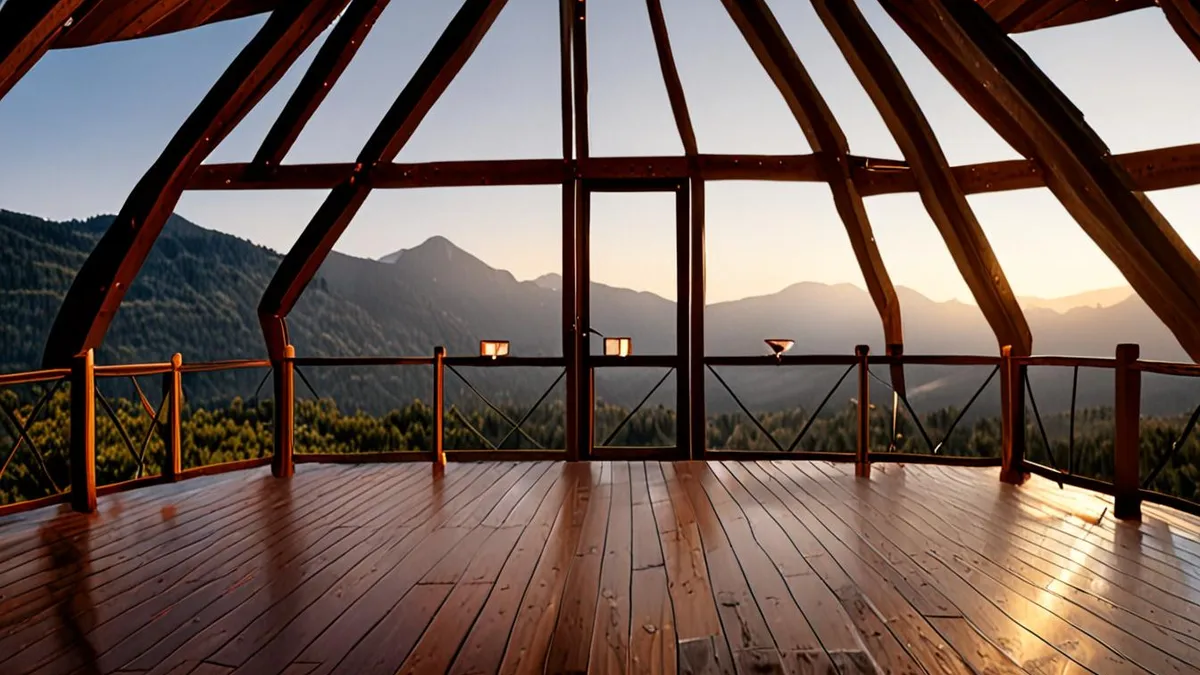
Booking Early: When to Reserve to Lock In the Best Glamping Cost
Glamping sites are small, often with just a handful of units, so the tent or cabin you see in the photos may be gone by the time you click “book.” Unlike large hotels that release blocks of rooms, a single property might have fewer units than a typical tour group. A simple booking timeline keeps you in control of both choice and price, and it removes most of the stress from planning.
- Reserve 3-6 months ahead for peak dates. For summer stays, this window secures the best units and rates, since demand far outstrips supply at popular properties. Booking early also means you can pick the tent with the best view, the most privacy or the quietest corner of the site, rather than settling for whatever is left a few weeks out.
- Use last-minute discounts in shoulder season only. Some operators cut prices to fill empty units in May, September or October, when occupancy is naturally lower. This approach rarely works for summer weekends, when popular sites sell out months in advance and have no incentive to discount.
- Compare direct booking with platforms. Check the operator’s own website before you commit on a booking platform. Some sites offer perks for booking direct, such as a free activity, flexible cancellation or a small discount, since they avoid paying platform commission fees.
One more practical tip: once you find a rate you are happy with for peak dates, book it and stop checking. Waiting for a price drop on a property with only a handful of units is a gamble that usually ends with a worse tent, a worse date or no booking at all. If plans change, a flexible cancellation policy is worth far more than a speculative saving.
Hidden and Extra Costs to Budget For
The nightly rate is only the starting point of your glamping budget. Once you add meals, activities and the practical realities of getting to a remote site, your total can climb noticeably. A good rule of thumb is to set aside an extra 10-20% of your nightly rate for these extras, so take your quoted price per night and mentally add a slice on top for everything else that comes up.
Location matters more than you might expect. Many of the most scenic glamping sites sit far from towns, restaurants and public transport, which means you will likely need a rental car or a pre-arranged transfer. If you are flying in, get quotes for both options before you book, since a remote site with no shuttle can quietly add a significant chunk to your trip.
Smaller costs are easy to overlook but they stack up fast, especially over a multi-night stay. Before you finalize your budget, run through this list:
- Travel insurance: policies that cover trip cancellation and outdoor activities typically cost a small percentage of your total trip price, and some sites require proof of coverage for certain activities.
- Gear packaging: if you are flying, checked baggage fees for sleeping bags, boots or hiking equipment can add a surprising amount to your airfare, so compare airlines’ baggage policies.
- Firewood and campfire bundles: many sites sell firewood on-site or charge for fire pits, and prices are usually higher than at a local store.
- Seasonal activity rentals: kayaks, paddleboards, bikes and snowshoes are often rented by the hour or day, and a family can easily spend a meaningful sum over a long weekend.
- Gratuities and resort fees: at higher-end properties, service charges, cleaning fees or activity gratuities may be added to your bill, so read the fine print before booking.
What You Get at Each Price Point
Glamping covers a wide spectrum of comfort, and knowing what each price band delivers helps you match your budget to your expectations. Here is a realistic picture of what you can typically expect at each level, keeping in mind that individual sites vary and the exact figures are covered elsewhere in this guide.
At the budget end, you are paying for the experience rather than full-service hospitality. Expect a real bed instead of a sleeping pad, some form of heating or fans to handle temperature swings, and bathroom facilities that are shared or a short walk from your tent or cabin. It is camping with the hard edges removed, not a hotel, and that trade-off is exactly what keeps these stays affordable.
In the mid-range, the experience becomes noticeably more polished. This is where glamping starts to feel like a boutique stay, and you can reasonably expect:
- A private bathroom: usually en suite or attached to your unit, with a proper hot shower rather than a shared block.
- Quality linens and furnishings: real mattresses with good bedding, often a small seating area and thoughtful decor.
- A private deck or terrace: outdoor space with chairs, and sometimes a hot tub or fire pit of your own.
- Breakfast included: many mid-range sites serve a cooked or continental breakfast, which trims your food budget.
At the top end, you enter lodge and suite territory where the property does the planning for you. Expect full-service dining, guided activities such as hikes or wildlife excursions built into your stay, spa or wellness facilities, and interiors designed to a genuinely high standard. At this level, many properties are all-inclusive, so compare what is bundled into the rate rather than judging by the nightly price alone. A lodge that includes meals, transfers and guided excursions can work out better value than a cheaper room where everything is charged separately.
One practical tip: before booking at any level, ask which amenities are actually included. Some sites charge separately for firewood, activities or even breakfast, and knowing this upfront makes it much easier to compare properties fairly.
Sample Glamping Budgets for Different Trip Styles
Abstract ranges are helpful, but real trip math makes planning easier. Here are three sample budgets built around common travel styles, using the price bands covered earlier in this guide.
For a couple taking a 3-night mid-range trip, multiply the mid-range nightly rate by three and you get a baseline of roughly $450-$900 for accommodation alone. Add meals, a rented kayak or two, and local transport, and the whole getaway lands somewhere around $600-$1,200. Choosing a midweek stay in shoulder season nudges you toward the lower end of that range.
A family of four traveling in shoulder season (May, September or October) gets more breathing room, since rates often drop 20-40% compared with peak summer. A realistic all-in total, meals and activities included, sits around $600-$1,200. Keep in mind that family-sized tents or cabins usually cost more than doubles, check how many guests each unit sleeps before booking, and note that popular sites often ask weekend guests to stay at least a couple of nights.
For a luxury splurge weekend at an all-inclusive property, expect $1,200-$3,000 or more for two people. A few details shape where you land in that range:
- Season and unit type: peak summer dates and premium units such as suites with private hot tubs sit at the top of the range, while shoulder-season standard lodges sit lower.
- What is bundled: all-inclusive rates typically cover dining and some guided activities, but spa treatments, private guides and premium drinks are usually extra, so ask for the inclusions list before booking.
- Length of stay: many high-end lodges structure stays around set itineraries, so a longer booking can change the per-night math in either direction.
Whichever style you choose, build your budget around the total trip cost rather than the nightly rate alone, and keep a small buffer for the extras that always seem to appear.
Planning Your Glamping Budget With Confidence
So, how much does glamping actually cost? The honest answer is anywhere from about $80 for a simple tent to well over $1,000 for a luxury lodge, and the price you pay depends mostly on the comfort level you choose. Once you know which tier fits your trip, the rest of the planning becomes much easier.
A few habits make the biggest difference: travel in shoulder season, book 3-6 months ahead for peak dates, and add an extra 10-20% on top of your nightly rate for meals, activities and transport. Do that math before you fall in love with a photo, and there will be no nasty surprises at checkout. If this guide helped you plan your own trip, leave a comment or share it with a fellow traveler.