“Streamline your sales insights with CRM software: Simplify reporting and analytics for smarter sales strategies.”
CRM software, also known as Customer Relationship Management software, plays a crucial role in simplifying sales reporting and analytics for businesses. By centralizing and organizing customer data, CRM software enables sales teams to track and analyze their sales activities, identify trends, and make data-driven decisions. This introduction will explore how CRM software simplifies sales reporting and analytics, ultimately enhancing sales performance and driving business growth.
The Benefits of Using CRM Software for Sales Reporting and Analytics
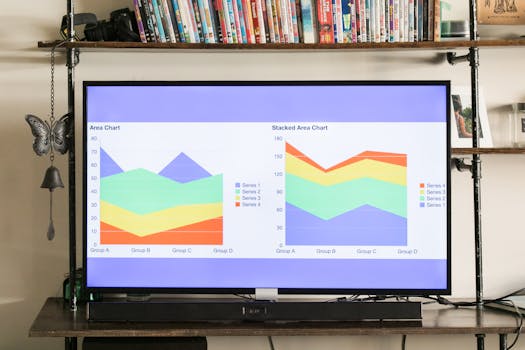
Sales reporting and analytics are crucial for any business looking to improve its sales performance and make data-driven decisions. However, the process of gathering, analyzing, and interpreting sales data can be time-consuming and complex. This is where Customer Relationship Management (CRM) software comes in, offering a simplified and efficient solution for sales reporting and analytics.
One of the key benefits of using CRM software for sales reporting and analytics is the ability to centralize all sales data in one place. With a CRM system, sales teams can easily input and access customer information, sales activities, and deal progress. This centralized database eliminates the need for manual data entry and reduces the risk of errors or data duplication. It also allows for real-time updates, ensuring that sales reports and analytics are always up to date.
Another advantage of CRM software is its ability to generate comprehensive and customizable sales reports. With just a few clicks, sales managers can generate reports that provide insights into sales performance, revenue trends, and customer behavior. These reports can be tailored to specific time periods, regions, or product lines, allowing sales teams to focus on the areas that need improvement. By having access to accurate and detailed sales reports, businesses can identify strengths and weaknesses, set realistic sales targets, and develop effective sales strategies.
CRM software also simplifies the process of analyzing sales data. With built-in analytics tools, sales teams can easily visualize and interpret sales data through charts, graphs, and dashboards. These visual representations make it easier to identify patterns, trends, and correlations within the data. For example, sales managers can quickly identify which products are selling well and which ones are underperforming. They can also track the effectiveness of different marketing campaigns or sales strategies. By analyzing sales data in a visual format, businesses can make informed decisions and take proactive measures to improve sales performance.
In addition to simplifying sales reporting and analytics, CRM software also enhances collaboration and communication within sales teams. With a CRM system, sales representatives can easily share information, updates, and insights with their colleagues. This promotes transparency and ensures that everyone is on the same page. It also allows sales managers to track individual and team performance, provide feedback, and offer coaching or training when needed. By fostering collaboration and communication, CRM software helps sales teams work more efficiently and effectively towards their sales goals.
Furthermore, CRM software can integrate with other business tools and systems, further streamlining the sales reporting and analytics process. For example, CRM software can be integrated with email marketing platforms, allowing businesses to track the effectiveness of email campaigns and measure their impact on sales. It can also integrate with accounting software, providing a seamless flow of financial data for accurate sales reporting. By integrating CRM software with other tools and systems, businesses can automate data collection and analysis, saving time and effort.
In conclusion, CRM software simplifies sales reporting and analytics by centralizing sales data, generating comprehensive reports, simplifying data analysis, enhancing collaboration, and integrating with other business tools. By leveraging CRM software, businesses can gain valuable insights into their sales performance, make data-driven decisions, and ultimately improve their sales effectiveness. So, if you’re looking to streamline your sales reporting and analytics process, consider implementing CRM software and take your sales performance to the next level.
Q&A
CRM software simplifies sales reporting and analytics by automating data collection, organizing and storing customer information, tracking sales activities, generating reports and analytics, and providing real-time insights for sales teams to make informed decisions.In conclusion, CRM software simplifies sales reporting and analytics by providing a centralized platform for collecting, organizing, and analyzing sales data. It automates the process of generating reports, allowing sales teams to quickly access and interpret key metrics. CRM software also enables real-time tracking of sales activities, helping businesses make data-driven decisions and improve sales performance. Overall, CRM software streamlines the sales reporting and analytics process, enhancing efficiency and productivity for sales teams.