You’ve picked your dates, you know roughly where you want to go, and then you hit the classic fork in the road: do you book a canvas bed under a starlit sky, or pack a sleeping bag and pitch it yourself? The glamping vs traditional camping debate comes down to more than just comfort — it’s about how much effort you want to spend, how much money, and what kind of traveler you actually are.
This guide breaks the decision into the questions that matter. We’ll compare the core differences between the two styles, run the numbers on nightly rates and hidden expenses like gear, look at the skills and equipment each one demands, and map out where and when each style works best. We’ll also cover booking timelines so you don’t miss out on peak-season spots, help you match a style to your travel personality, and finish with a clear bottom line for planning your next trip. By the end, choosing between a pre-built dome and a do-it-yourself tent should feel simple.
Glamping vs Traditional Camping: The Core Differences
At first glance, both styles put you outdoors, but the experience on the ground is completely different. Glamping gives you a pre-built structure waiting when you arrive — a safari tent, a geodesic dome or a small cabin — with real beds, proper linens and, in many cases, an en-suite bathroom. You walk in, drop your bag and start enjoying the view.
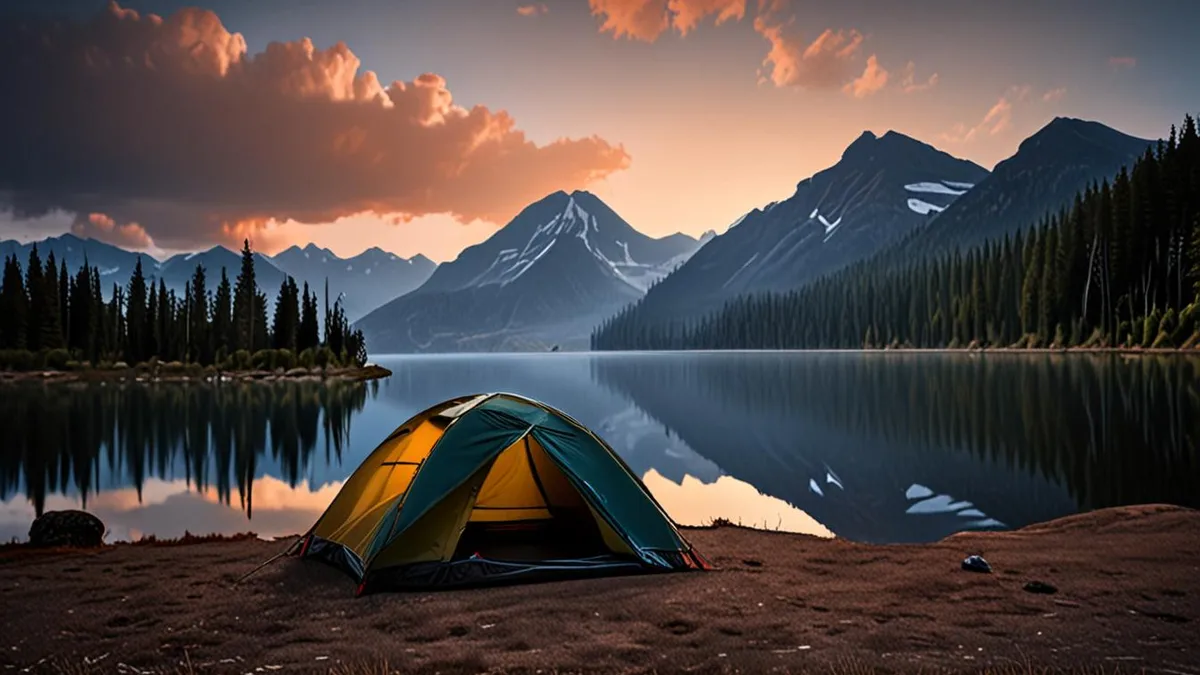
Traditional camping flips that arrangement. You bring your own tent, pitch it yourself, cook on your own stove and sleep on the ground, usually on a mat or pad of some kind. Everything that makes the trip work — shelter, food, warmth — comes out of your car and your own know-how.
The real divide is effort
That’s the honest difference: glamping outsources setup and comfort to someone else, while camping keeps you self-reliant from arrival to departure. Neither is better; they simply suit different moods and different travelers.
Group size matters too. Most glamping units are designed for couples or small families and typically host 2–4 guests per unit. Standard campsites are usually more flexible, often allowing larger groups and multiple tents on a single pitch — a real advantage if you’re traveling with friends.
Cost Comparison: Nightly Rates and Hidden Expenses
Money is where the two styles diverge most sharply. Glamping rates typically run $150–$600 per night, depending heavily on location, season and how luxurious the unit is. A simple safari tent in a quiet region sits at the low end; a designer dome with a private hot tub in a sought-after destination can reach the top of that range.
The cheaper nightly rate comes with a catch
Traditional campsites cost $15–$60 per night, which looks like a bargain until you factor in equipment. A basic tent camping starter kit — tent, sleeping bags, pads, stove, cooler and the essentials — costs roughly $300–$800 as a one-time outlay. That gear lasts years, so frequent campers effectively amortize the cost over dozens of trips. Occasional travelers rarely do: if you camp once every couple of years, your true per-night cost climbs well above the campsite fee.
It’s also worth comparing what’s included. Glamping prices often bundle in things that campgrounds charge extra for, like hot showers and firewood. When you weigh the two styles, add those small extras to the camping side of the ledger — they add up over a multi-night stay.
Comfort, Gear and Skill: What Each Style Demands
This is the part that decides the trip for many people. Glamping requires zero gear and no skills: bedding, lighting and cooking are handled for you before you ever arrive. You don’t need to know a guylines from a groundsheet, and if it rains, your job is to enjoy the sound from inside a solid structure.
Tent camping asks more of you. You need a working knowledge of pitching a tent properly, weatherproofing it against wind and rain, and cooking decent meals on a portable stove. None of it is difficult, but it takes a first trip or two to feel confident — and a badly pitched tent in a storm is a memorable lesson.
Skills worth building before you go
- Weather reading: check the forecast daily and know how to position your tent so rain runoff and morning wind don’t turn your site into a puddle.
- Camp cooking basics: practice one or two one-pot meals at home first; a stove, a lighter and a plan beat improvising dinner in the dark.
- Packing discipline: tent campers carry everything themselves, so learning to pack light — and remembering items like headlamps and spare stakes — saves real frustration.
In return, camping rewards you with genuine self-sufficiency and the flexibility to change location mid-trip — if a spot disappoints, you simply pack up and move. Glamping suits travelers who want nature views without sacrificing a proper mattress or a hot shower at the end of the day.
Where Each Style Shines: Destinations and Seasons
The season you travel in shapes which style makes sense. In most temperate destinations, glamping runs at full swing from May through October, when safari tents and domes are stocked, staffed and at their best. Outside that window, many units close or scale back, so check the operating season before you fall in love with a listing.
The tropics play by different rules. Jungle and coastal domes in places like Southeast Asia and the Pacific islands typically welcome guests year-round, since temperatures stay warm and the main variable is rainfall rather than cold. If you can handle an afternoon shower, the green season often means quieter sites and better rates.
Where traditional camping wins
Remote national parks, alpine zones and backcountry routes are where tent camping simply has no competition. Glamping structures rarely reach high mountain passes, lake basins accessible only on foot, or the quiet corners of large parks. If your goal is solitude and a route you design yourself, a tent on your back is the practical choice.
Glamping near resorts and eco-lodges
Glamping thrives where it can borrow from established hospitality — near resorts, eco-lodges and well-developed destinations. Southeast Asia, Iceland and the Pacific islands all have strong scenes for it. For a concrete example of how comfortable a cold-weather stay can be, read about a stylish ice-country stay in Iceland where the structure does the hard work for you.
Cold weather is the final dividing line. Insulated glamping domes and cabins keep you warm with proper heating, while tent campers need genuine four-season gear — a rated sleeping bag, insulated pads and experience with winter conditions. Know which kind of cold you’re signing up for.
Booking Timelines and How to Secure Your Spot
The biggest mistake travelers make with both styles is booking too late. The best spots — a dome overlooking a fjord, a lakeside campsite in a famous park — rarely appear a week before departure, and waiting usually means settling for whatever is left. The problem is worse than most people expect: inventory on both sides is limited, and demand keeps climbing. Popular campgrounds might have a few hundred sites, while a glamping operator may run fewer than a dozen units on an entire property. That imbalance means one busy holiday weekend can erase your options months before you even start packing. A little calendar discipline goes a long way, and the steps below cover the essentials.
- Mark the reservation release date. Popular national park campgrounds open reservations 5–6 months in advance and sell out within days, sometimes hours. Find the exact release date on the official booking platform and put it in your calendar with a reminder the day before.
- Book glamping even earlier for summer. For the May–October peak in temperate regions, reserve glamping units 3–6 months ahead. Small operators often have only a handful of units, so one busy weekend can wipe out availability.
- Consider the shoulder seasons. Trips in late April or early October usually offer better availability and lower rates for both styles. Weather is often still pleasant, and you’ll share the site with fewer people.
- Have a backup and a second choice. If your first pick is gone, check adjacent campgrounds or nearby glamping sites rather than abandoning the trip. Flexibility on location beats flexibility on dates for most people.
One last habit: don’t count on last-minute cancellations to save your plans. They happen, but relying on them turns a vacation into a lottery, and you may end up paying more for a worse site anyway. Set the reminders, book when the window opens, and spend the weeks before your trip looking forward to it instead of refreshing a booking page.
Matching the Style to Your Travel Personality
The right choice has less to do with gear catalogs and more to do with how you actually travel. A three-night comfort trip and a week-long backcountry loop are different animals, and each style serves one of them far better. Start with an honest look at your trips, your budget and your companions.
If your getaways are short — two or three nights — and built around comfort, glamping is usually the smarter spend. You arrive, unpack nothing and spend your limited time enjoying the view instead of pitching a tent in the dark. It’s also the easiest way to travel with a partner who likes the idea of nature but not the reality of an air mattress.
Traditional camping rewards a different kind of traveler. If you value independence, enjoy longer stays and want to keep nightly costs minimal, a tent gives you freedom that no fixed structure can. You can change location mid-trip, stay a day longer when a spot surprises you and spend a fraction of what a glamping unit costs.
Many travelers end up hybrid, and that’s a perfectly good answer. Camp on multi-day treks where self-sufficiency is the point, then book a glamping stay afterward to recover with a hot shower and a real bed. The mix often costs less than either style alone stretched across a whole trip.
- Traveling with young kids? A pre-built structure removes the risk of a mid-trip meltdown over a failed tent pitch — and gives everyone a proper bed for sleeping at altitude or after a long drive.
- First-timers in the group? Glamping lets newcomers learn whether they enjoy the outdoors before investing in a starter kit that can run a few hundred dollars.
- Long-stay budget travelers? A tent wins decisively over a week or more, since campsite fees stay low night after night while glamping rates compound quickly.
The Bottom Line for Your Next Trip
So which style matches how you travel? If you want nature with zero effort and don’t mind paying $150–$600 per night, glamping hands you a real bed and no gear to buy. If you’d rather trade some work for nights at $15–$60 and keep the freedom to move around, traditional camping wins. Your budget, trip length and comfort threshold decide the winner — not the hype around either style.
One practical note before you book: the calendars differ. Glamping units typically need reserving 3–6 months ahead for the peak season, while popular national park campgrounds open reservations 5–6 months in advance and fill within days. Whichever camp you fall into, there’s no wrong answer here — just the right fit for your kind of trip. Have a preference? Tell us in the comments or share this article with a friend who’s still on the fence.