Booking your first adults-only resort can feel like a leap of faith. Many first-timers arrive expecting a certain vibe, then get surprised by the atmosphere, the rules and the final bill. Some properties are hushed and romantic, others hum with poolside music well into the afternoon, and the extras, from spa treatments to premium wine, can add up fast if you have not planned for them.
This guide sets clear expectations before you pay. We will explain what the adults-only label actually means and how age policies differ, walk you through the noise levels, pools and quiet zones you will find on property, and cover the dress codes and dining setup. We will also break down typical pricing, share when and how far ahead to book, and help you choose the right adults-only resort for the trip you want. By the end, you will know exactly what you are signing up for.
What an Adults-Only Resort Actually Means
The term “adults-only” sounds straightforward, but the fine print matters more than the label. Most adults-only resorts set a minimum guest age between 16 and 21, with 18 as the most common cutoff. Some boutique properties welcome guests 16 and up, while certain upscale or party-oriented resorts require everyone to be 21. Before you book, check the age policy on the resort’s own website or confirm it with your travel agent, especially if you are traveling with a younger partner or friend.
It is equally important to understand what the label does not promise. Adults-only signals a quieter, more romantic atmosphere without children around, but it does not guarantee a party-free property, and it does not mean the resort is clothing-optional. Some adults-only hotels host lively pool parties and themed nights, while a small number of them are clothing-optional by design. Read the property description carefully so the vibe matches what you have in mind.
Why size matters
Most adults-only properties range from 100 to 300 rooms, which is noticeably smaller than the family mega-resorts that can stretch well beyond that. In practice, this means shorter lines at breakfast, easier lounge-chair hunting at the pool and more space on the beach. Smaller properties also tend to feel more personal, with staff who recognize you by name by the second day.
The Atmosphere: Noise, Pools and Quiet Zones
One of the pleasant surprises at a first adults-only resort is how well the property is zoned. Rather than one loud pool for everyone, most properties divide their space into distinct areas. The main pool is usually the calm one, lined with loungers and shaded daybeds where guests read and doze. A separate activity pool, typically the one with the swim-up bar, peaks in energy mid-afternoon with music, games and a social crowd. Many resorts also set aside adults-only quiet areas, such as gardens or infinity pools, where talking loudly is discouraged.
During the day, the overall ambiance leans toward spa music and reading loungers rather than the kids’ clubs and waterslides you would find at a family resort. If a genuinely serene setting is your priority, look at properties designed around that concept, such as Trevion Resorts Elegance Reef Calm, which centers its whole experience on quiet.
After dark, the rules change a little. Quiet hours typically begin after 10 pm, though entertainment venues like beach bars or lounges may run later. Most guests find the nights are peaceful, but light sleepers should still request a room away from the entertainment area.
- Some resorts post signs or even staff the quiet zones to keep them genuinely calm, so check the pool map when you arrive and claim your spot accordingly.
- The swim-up bar crowd is usually at its liveliest between lunch and mid-afternoon, so if you want a quieter swim, go early in the morning or later in the day.
- If your room faces the activity pool or an entertainment venue, ask about a room swap at check-in, since a few floors of difference can noticeably cut the noise.
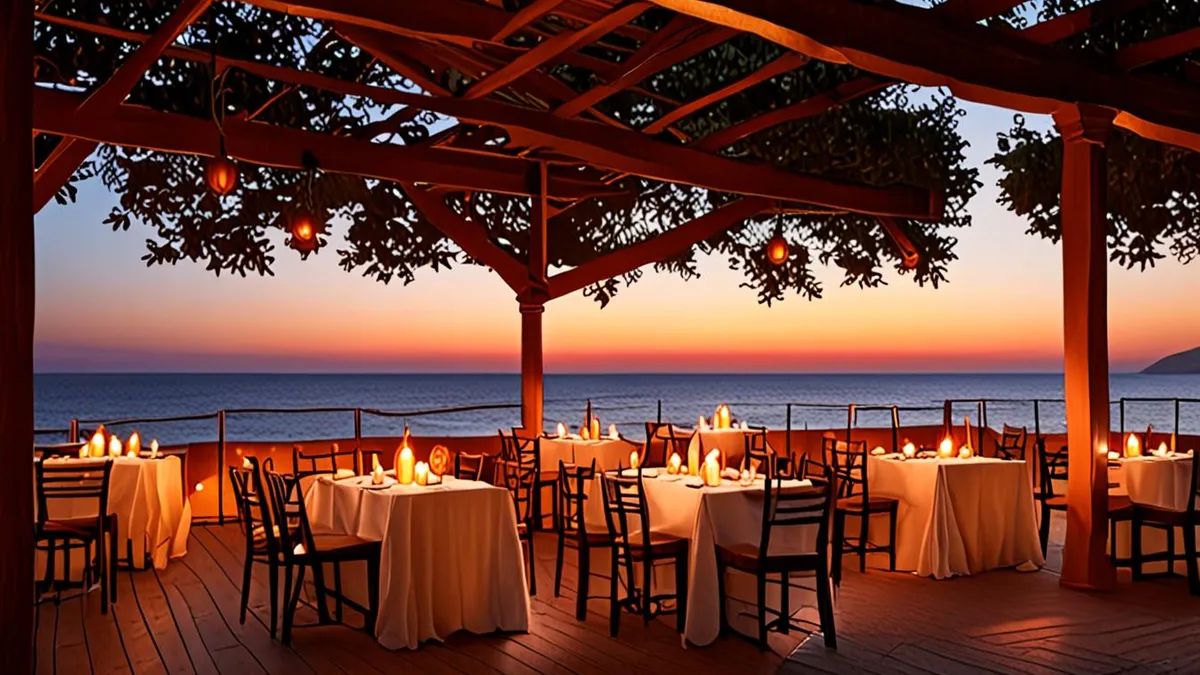
Dress Codes and Dining to Expect
Dining is where adults-only resorts often feel a step more polished than family properties, and the dress codes reflect that. Specialty restaurants, the à la carte venues beyond the buffet, typically require resort-casual attire. For men, that usually means long trousers and closed shoes, with a collared shirt recommended at the more formal venues. Swimwear is not allowed anywhere indoors, including the buffet, so plan to cover up with a shirt, sarong or cover-up between the pool and lunch.
How the dining setup works
Most adults-only resorts offer somewhere between 2 and 5 on-site restaurants, plus room service. If you book an all-inclusive plan, most dining is covered, but premium venues often require reservations, and some may carry a small surcharge. Book your specialty dinners on the first day of your stay, since the most popular time slots fill up quickly, especially for sunset-seat tables.
Bars and rooftop lounges shift to a smarter dress code after 6 pm. In practice, that means swapping swim trunks for trousers and beach cover-ups for a sundress or slacks before heading out for evening drinks. It is a light standard, not black-tie, but arriving in wet swimwear will get you turned away at the door.
A practical tip: pack at least two or three dinner-appropriate outfits even on a weeklong beach trip. Laundry service is usually available if you run short, but having options saves you from repeating the same look every night or paying for last-minute pressing.
What Adults-Only Resort Pricing Looks Like
Pricing at adults-only resorts follows a fairly predictable pattern, and knowing the ranges upfront helps you spot a genuine deal rather than a marketing gimmick. In shoulder season, nightly rates generally run between $250 and $600. During peak season, expect $500 to $1,200 per night, with the highest rates at beachfront properties in the most popular destinations. Keep in mind that the same room can swing by hundreds of dollars depending on the week you travel, so comparing a few dates on the calendar is one of the easiest ways to save. If a rate looks dramatically below the typical range, check what the plan actually includes before you book.
All-inclusive packages typically add roughly 20 to 40 percent over room-only rates. That sounds like a big jump, but it covers meals, drinks and most on-site activities. If you plan to eat most meals at the resort and enjoy a few cocktails each day, the math often works in favor of all-inclusive. If you like exploring local restaurants and beach bars, a room-only or European plan may cost less overall. A useful rule of thumb: tally what you would realistically spend on food and drinks per day, then compare it to the package premium.
Even on an all-inclusive plan, some things almost always cost extra. Build these into your budget before you arrive so the final bill holds no surprises:
- Spa treatments: massages, facials and hydrotherapy circuits are priced separately, and couples packages can run high, so check the spa menu before assuming it’s covered.
- Premium wine and top-shelf spirits: standard house pours are included, but aged rums, single-malt whiskies and reserve wine lists usually carry a surcharge.
- Off-site excursions: snorkeling trips, catamaran sails and zip-lining tours are booked through third-party operators and rarely fall under the all-inclusive umbrella.
- Private cabanas and butler service: reserved daybeds by the pool and personalized butler packages are typically upsells, often with daily rates quoted at check-in or on the resort app.
When and How Far Ahead to Book
Timing your booking matters as much as choosing the resort itself. Adults-only properties in the Caribbean and Mexico fill up fast during their busiest stretch, while the quieter months reward flexible travelers with lower prices. A simple sequence keeps you from overpaying or scrambling for rooms, and it takes only a few minutes to plan out before you start comparing properties.
- Identify your travel window first. High season runs December through April, when weather is driest and demand is strongest. Low season spans June through November, when rates drop but humidity and rain risk rise. Knowing your window early shapes every other decision, from room category to how far in advance you commit.
- Book 3 to 6 months ahead for high season. The most desirable room categories, like swim-out suites and ocean-view rooms, tend to sell out earliest, so reserving well in advance gives you the best selection. If you have your heart set on a specific view or a ground-floor walkout, this is the timeline that protects it.
- Wait 1 to 2 months out for low season trips. Properties often discount unsold inventory close to arrival, and low season bookings made on this shorter timeline can come in around 20 to 30 percent lower than peak-season rates. Just accept that your choice of rooms will be narrower.
- Protect yourself if traveling June through November. That’s hurricane season, so add travel insurance that covers weather disruptions, or aim for autumn shoulder weeks when prices soften but storm risk is somewhat lower.
One last tip: once you’ve booked, set a reminder to recheck your rate about a month before arrival. Some resorts and booking platforms honor lower prices if the rate drops, and a quick email to the property costs you nothing. Flexibility on your exact dates, even by a day or two, can also shift you into a cheaper rate band. If your schedule allows midweek arrivals instead of weekend ones, ask about that too, since occupancy patterns often make midweek stays noticeably cheaper at the same property.
How to Choose the Right Adults-Only Resort for You
Not all adults-only resorts deliver the same experience, and picking the wrong vibe is the most common first-timer mistake. Some properties are built entirely around couples: think quiet spas, candlelit fine dining and pools where conversation happens in whispers. Others are social by design, with pool parties, group games and a swim-up bar that gets lively by mid-afternoon. Neither is better, but they attract very different travelers, so be honest about the trip you want before you commit.
Match the vibe to your trip
If you’re celebrating an anniversary or honeymoon, lean toward couples-focused properties that emphasize spas and specialty restaurants. If you’re traveling with friends or want to meet people, a social resort with organized activities and a busy pool scene will suit you far better. Many resorts describe their atmosphere on their own websites, and marketing photos usually reveal quickly whether a pool deck is a lounge or a party.
Pick the right pricing plan
Your plan choice should follow your itinerary. If you expect to leave the property for excursions, local restaurants or town visits several times, an all-inclusive package may go partly unused, and a European plan could save money. If you plan to stay put and relax, all-inclusive usually wins on convenience and total cost. Compare the gap between the two plans for your specific dates rather than assuming one is always cheaper.
Finally, read recent guest reviews before booking, and focus on three things: noise levels, service consistency and whether the age minimum is actually enforced. Reviews from the last few months tell you far more than older ones, and repeated complaints about thin walls or lax age checks are worth taking seriously. A resort that matches your expectations on these details is the one you’ll want to return to.
Wrapping Up Your First Adults-Only Stay
Your first adults-only stay should feel predictable, not surprising. These resorts deliver quieter pools, smaller crowds and a more refined atmosphere than family properties, with age minimums usually set at 18. That means spa music by the main pool instead of waterslides, and a calmer pace from breakfast to the evening show.
On the practical side, plan for nightly rates between $250 and $1,200 depending on the season, and for peak travel between December and April, aim to have your reservation secured several months in advance rather than booking last minute. Knowing the dress codes, dining setup and booking windows ahead of time turns a first visit into a relaxed, predictable getaway rather than a string of surprises at check-in. If this guide helped you plan your trip, leave a comment or share it with a friend.