Planning an Okavango delta lodge stay is trickier than it sounds. The delta’s famous flood arrives months after the rains that cause it, and lodge prices can swing dramatically depending on when you travel. Pick the wrong window and you might face high water but thin wildlife sightings, or superb game viewing at rates that sting.
This guide breaks down how the flood season actually works, which months deliver the best wildlife viewing, and when the green season brings real savings. We’ll also cover the shoulder months that balance price and experience, how to choose between water-focused and land-based delta areas, and smart booking tips for securing your camp. By the end, you’ll know exactly when to go and how to plan a lodge stay that matches your budget and safari style.
How the Okavango Delta’s Flood Season Works
The Okavango Delta works on a calendar that confuses almost every first-time visitor. Its water doesn’t come from Botswana’s own rainy season. Instead, the floodwater travels from Angola’s highlands, where rain falls months earlier, then flows slowly down the Kavango River before spreading across the delta in Botswana roughly from May to October.
That delay changes everything about how you should plan a trip. While most safari destinations peak with their local rains, the delta does the opposite: its channels, lagoons and floodplains fill up just as Botswana’s skies clear and its landscapes dry out.
When the water peaks
Water levels are highest around June to August, when dry channels and grassy plains transform into navigable floodplains. Areas that were dusty dirt tracks in March become glassy lagoons fringed with papyrus and reeds, perfect for gliding through by mokoro or exploring by boat.
This counterintuitive timing is actually great news for travelers. The best water-based safari months coincide with Botswana’s dry winter, which also happens to be the prime season for land-based game viewing. Cooler days, sparse vegetation and animals gathering at permanent water make June to August the sweet spot when flood scenery and wildlife viewing overlap. If you’ve dreamed of poling through channels between herds of elephants, this is the window to aim for.
Best Months for Wildlife Viewing at an Okavango Delta Lodge
If wildlife is your priority, plan your Okavango delta lodge stay for July to October. This is the dry season at its most concentrated: vegetation thins out, temporary waterholes vanish, and animals gather at permanent rivers and lagoons. Game drives become noticeably more productive, with lions, leopards, wild dogs and large elephant herds easier to find and easier to see.
The June to August sweet spot
June to August combines the best of both worlds. The flood is at or near its peak, so you can pair dry-season game drives with mokoro excursions and boat trips through the flooded channels. Few places in Africa let you watch elephants from the water in the morning and track predators by vehicle in the afternoon.
Why October delivers
October is the hottest month in the delta, and you’ll feel it on afternoon drives. But it’s also when animals crowd around the last remaining water sources, producing some exceptional sightings of the year. Predators know this too, so waits at waterholes often pay off.
Where you stay matters as much as when. Camps in big-game territory, such as the area around Mombo Camp, built their reputations on exactly this kind of dry-season predator viewing. Check current details and availability with your operator, since the very best camps fill up early.
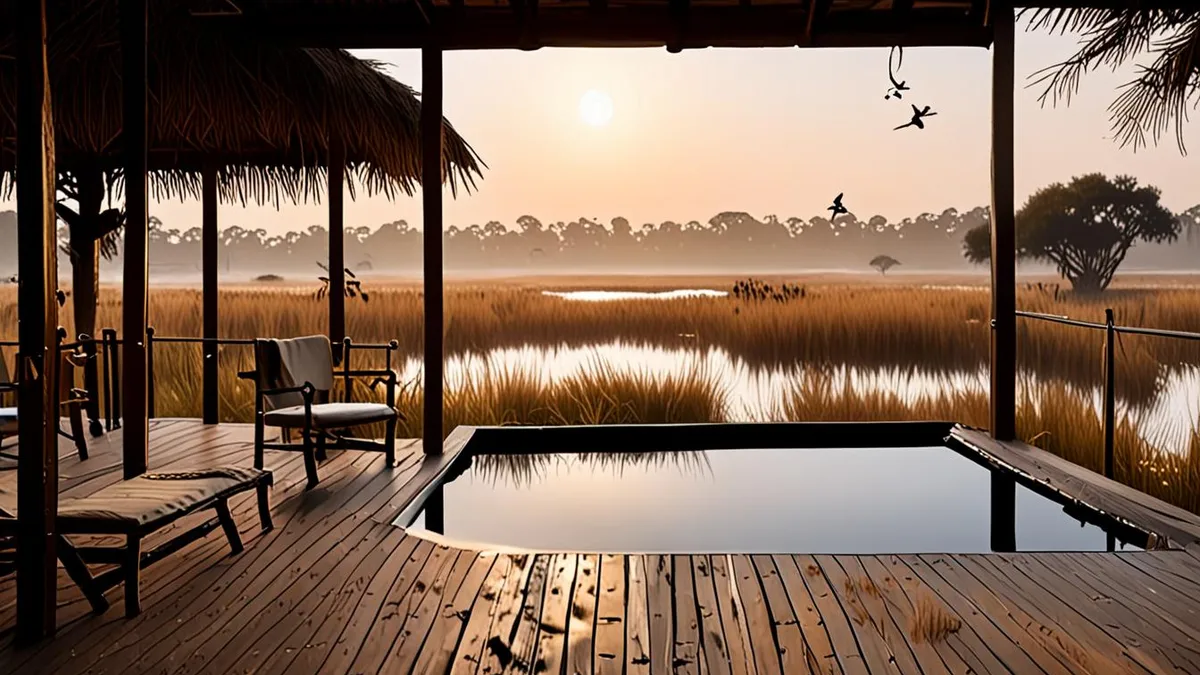
Green Season: November to March
From November to March, the delta enters its green season. Rains typically arrive as dramatic afternoon thunderstorms rather than all-day downpours, leaving mornings often clear for activities. The landscape transforms almost overnight: dusty plains turn emerald, wildflowers bloom, and the whole delta feels freshly washed.
What the green season offers
This is the season of new life. Impala, tsessebe and other antelope drop their young, which in turn attracts predators, so predator-prey interactions can be genuinely dramatic. Migrant birds arrive in huge numbers, making these months outstanding for birders. Photographers love the saturated colors, moody skies and dust-free air.
The trade-offs to weigh
The main compromise is visibility. Thicker vegetation makes animals harder to spot, and scattered water sources mean wildlife is less concentrated than in the dry months. Some animals disperse away from permanent rivers. A few camps also close entirely or reduce their activities during the wettest weeks, so check with your operator about which camps operate year-round.
What you get in exchange is value. Lodge rates during green season typically drop 30-40% compared with peak months, which can turn a once-in-a-lifetime trip into something you can afford a few nights longer. If you’re flexible about sightings and willing to pack a light rain jacket, the green season is the value window for a delta lodge stay.
Shoulder Months: April to June and November
If your travel dates are flexible, the shoulder months can give you much of the delta experience at a friendlier price. From April to June, the floodwater pushed down from the Angolan highlands is steadily rising through the channels, so you get the drama of a landscape transforming week by week. Temperatures are moderate, game viewing is still solid, and lodge rates sit well below the July to September peak.
Why April to June works so well
Early in this window, some smaller channels may not yet be navigable by boat or mokoro, so check with your chosen camp about which water activities are running. By June, water levels are approaching their highest and most floodplain excursions are in full swing. You essentially get the scenery of peak flood season without peak-season rates or crowds.
November is the other shoulder sweet spot. It straddles the seasons: the first rains usually arrive, breaking the dry spell, while wildlife is still concentrated around permanent water and game viewing remains good. Pricing is typically pre-peak, and the landscape begins turning green almost overnight.
Both windows suit travelers who want flood scenery and quality sightings but would rather avoid the highest prices and busiest camps. Ask operators about exact water levels and camp availability for your specific dates, as conditions vary from year to year.
Choosing the Right Delta Area and Lodge Style
Not all of the Okavango Delta offers the same experience, and choosing the right area matters as much as choosing the right month. The delta splits broadly into permanent-water concessions and more seasonal, land-focused areas, and each supports a different style of safari.
The concessions in the north and east hold water year-round, which means mokoro trips and boat cruises run in every month, not just during flood season. Areas in the south and west are more land-based, favouring big game drives, and they perform best in the dry months when animals gather at the remaining water sources. For a first visit, a water-and-land combo camp is often the smartest pick, letting you try both mokoro gliding and traditional game drives without moving lodges. If you want a sense of what a high-end water-focused stay feels like, this luxury safari camp review gives a good feel for the style of experience on offer.
- Water-focused camps: Ideal if mokoro excursions and boat-based wildlife viewing are your priority; confirm whether activities run from a motorboat or a traditional dugout canoe, as the experience differs.
- Land-based camps: Better for tracking predators and large herds on game drives, especially in the dry months when visibility improves.
- Combo camps: A practical choice for first-timers who do not want to commit to one activity style or split a stay between two lodges.
- Access: Most lodges are reached by light aircraft from Maun or Kasane, with flights typically taking 20-45 minutes, so factor transfer logistics into your itinerary.
Booking and Budgeting Your Lodge Stay
Okavango lodges are small, often with fewer than a dozen tents, so availability disappears quickly in the high season. For a June to September stay, book 9-12 months ahead. The most sought-after camps sell out first, and by the time the dry season approaches, your preferred dates and room types may already be gone.
What peak-season rates include
Peak-season pricing typically runs from about USD 800 to 2,000+ per person per night, all-inclusive. That usually covers your accommodation, all meals, daily game activities such as drives and mokoro trips, and the light-aircraft transfers that connect the camps. Drinks and certain extras may or may not be included, so read the inclusions carefully before comparing prices between lodges.
Green-season and shoulder-month bookings are far easier to secure. Many travelers manage to lock in a November to March stay just 3-6 months out, often at a significantly lower rate. If your dates are flexible, booking a shoulder month late is one of the best value moves in African safari travel, since you still get good game viewing without the peak-season price tag or the scramble for scarce tent space.
One practical tip: when comparing quotes, confirm whether park or conservation fees, laundry, and premium drinks are included, since these add-ons vary between camps and can shift the real cost of your stay noticeably. Also check the light-aircraft baggage limits, as small charter flights from Maun or Kasane usually enforce strict weight restrictions on soft-sided bags.
Wrapping Up: Timing Your Delta Trip
Timing an Okavango delta lodge stay comes down to understanding one quirk: the famous flood arrives in Botswana months after the rains that feed it, flowing down from Angola’s highlands between May and October. That makes July to October the strongest all-round window, when peak floodwater combines with dry-season game viewing at its best.
If budget matters more than maximum game density, the green season from November to March trades thinner wildlife sightings for lush scenery and rates often 30-40% lower than peak months. Whichever season you choose, book peak dates 9-12 months ahead, and match the delta area you pick to the activities you want, whether that’s mokoro trips on permanent water or big-game drives. Have you been to the delta, or are you still planning your dates? Share your thoughts in the comments or pass this article along to a fellow traveler.